Great Music Is Great Music ...Regardless of who the artist is.

Porsha Williams Had 21 Fibroids. Here’s Why Black Women Are Talking More About The Condition
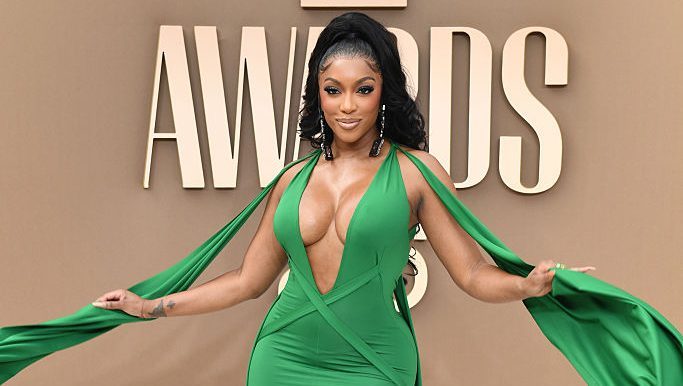

For generations, Black women have been dealing with fibroids. Often in silence. And, at times, the struggle came without even knowing what was really happening in our bodies.
Heavy periods got brushed off as something women simply deal with. Pain became another thing to push through. And for some of us who did seek answers from our doctors, symptoms were dismissed, misdiagnosed or attributed to something else.
Research backs up those experiences. A qualitative study examining Black women seeking surgical treatment for uterine fibroids found that some women said doctors initially dismissed their symptoms or incorrectly attributed them to other health concerns. Another 2024 study examining conversations about menstruation and uterine fibroids among Black women and Latinas found that silence around menstruation and the normalization of painful periods could contribute to delayed fibroid diagnoses.
But more Black women are talking about it now, turning the tide on the silence, misdiagnosis, pain, and complications. Porsha Williams is one of these women.
Porsha Williams Reveals Doctors Found 21 Fibroids
The “Real Housewives of Atlanta” star sat down with Gayle King on September 18 and revealed that she underwent an emergency partial hysterectomy earlier this year. Doctors discovered 21 uterine fibroids. One was reportedly compared to the size of a cantaloupe.
Porsha said she been experiencing symptoms, including longer periods, fatigue and migraines. She initially thought some of the changes might be connected to perimenopause. But while accompanying a friend to a fertility appointment, Porsha decided to get checked because of her own history with fibroids.
An MRI showed how extensive the fibroids had become, and Porsha underwent surgery shortly afterward. The situation was so dire that the procedure removed her uterus while preserving her ovaries but eliminating her future of having more kids. CBS News reported that the diagnosis and surgery unfolded quickly after doctors discovered the extent of the fibroids.
For longtime RHOA viewers, Porsha’s history with fibroids isn’t completely new.
Parts of her reproductive health journey have played out publicly. She previously shared that she suffered a miscarriage after being diagnosed with fibroids and later underwent a myomectomy. Porsha has previously discussed her miscarriage, fibroids and surgery publicly through Bravo.
When Porsha became pregnant with daughter Pilar, she was hospitalized during the pregnancy because of complications involving fibroids. In 2019, she told Bravo that she was doing well following that hospitalization. Fibroids eventually returned, and she later underwent uterine fibroid embolization.
Her latest diagnosis is the latest iteration of her reproductive health journey.
Black Women And Fibroids Are A Conversation We Need To Keep Having
Porsha joins a growing list of Black women using their platforms to talk openly about fibroids. Lupita Nyong’o made headlines in 2025 when she revealed that she had undergone surgery to remove 30 fibroids after being diagnosed in 2014. She has since advocated for more research and education.
Kenya Moore has also spoken about experiencing extreme pain from fibroids and undergoing several myomectomies. Cynthia Bailey’s fibroid battle was documented on RHOA more than a decade ago after she dealt with heavy bleeding, anemia, pain and other symptoms related to her fibroids.
According to the National Institutes of Health, an estimated 80 to 90 percent of Black women will develop fibroids during their lifetime, compared with about 70 percent of white women. Black women also tend to develop them at younger ages and experience more severe symptoms. NIH notes that Black women are two to three times more likely to undergo hysterectomy and seven times more likely to have a myomectomy.
Researchers still don’t fully understand why the disparity is so dramatic.
So, What Exactly Are Fibroids?
According to the Mayo Clinic, uterine fibroids are noncancerous growths that develop in or around the uterus, most often during the reproductive years. They can range from extremely small growths to masses large enough to change the shape and size of the uterus. Someone can have one fibroid or many.
Some women never experience symptoms. For others, fibroids can cause heavy or painful periods, longer or more frequent periods, pelvic pressure or pain, frequent urination, constipation, lower back or abdominal pain and pain during sex.
Fibroids can sometimes affect fertility or pregnancy as well as in Porsha’s case. Mayo Clinic notes that certain fibroids can contribute to infertility or pregnancy loss and may increase the risk of pregnancy complications.
There isn’t one treatment that works for everyone. Treatment can depend on the size and location of fibroids, symptoms, age, overall health and reproductive plans. Mayo Clinic lists options ranging from monitoring and medications to minimally invasive procedures and surgery.
Porsha, Lupita, Cynthia, Kenya and other Black women who have spoken publicly about fibroids are adding to a conversation our communities need to keep having. Whether you want kids, have kids, feel funny or worse, now is the time to keep talking.


Post comments (0)