Great Music Is Great Music ...Regardless of who the artist is.

GED Section: The Trump Administration Has Specifically Gone After Black People
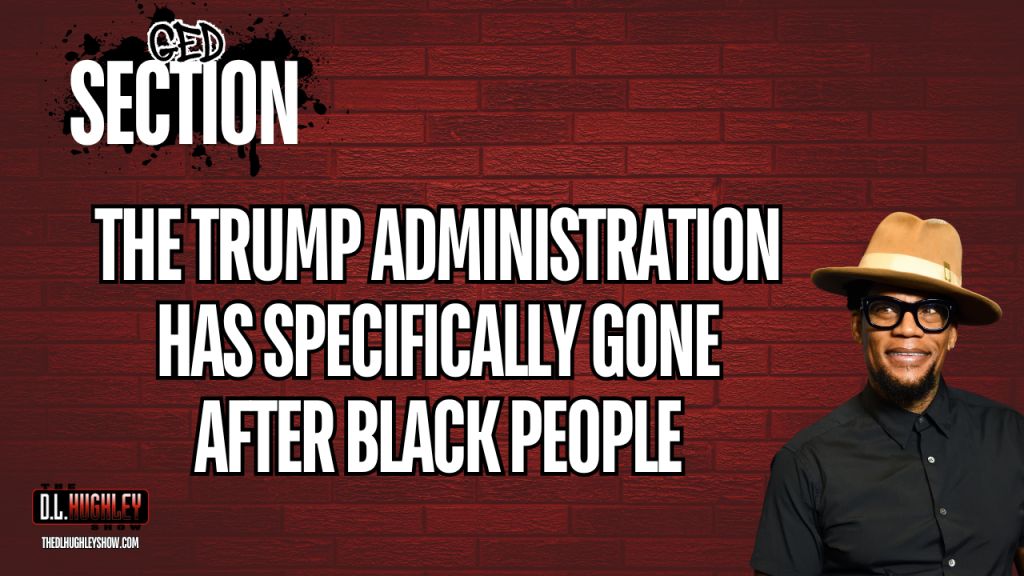
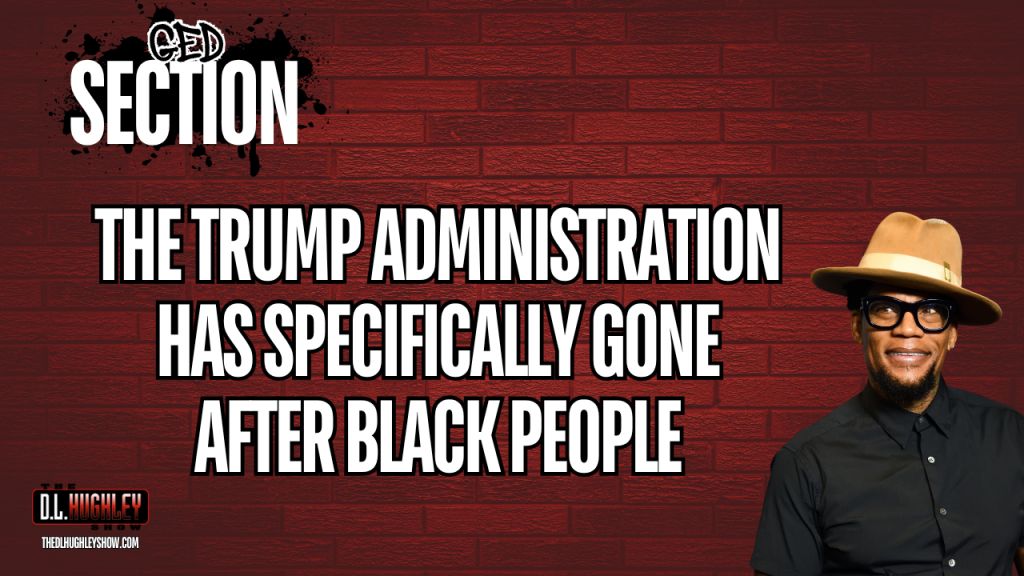
D.L. Hughley’s Notes from the GED Section, delivered a blunt message about race, power, and political consequences in America. Speaking with urgency and frustration, Hughley argued that the Trump-era political project was never random and never race-neutral. His central point was clear: the rollback of Black progress has been deliberate, and the damage is now playing out in public view. For listeners tracking politics through the lens of community impact, Hughley’s remarks landed as both critique and caution.
Targeting Black advancement
Hughley said the attacks on Black progress are not a matter of perception but policy. He framed the broader political moment as a direct response to the gains Black Americans made over the years, especially during and after the Obama era. In his view, the backlash has been fueled by resentment toward visible Black success, from leadership in government to the cultural pride often summed up as “Black girl magic.” His comments tied political decisions to a deeper discomfort with Black visibility and influence.
TRENDING STORY: SCOTUS Callais Decision Delivers Major Blow To Black Voting Rights
TRENDING STORY: Tennessee Republicans Pass Map Eliminating State’s Only Majority Black District
Jobs, power, and who gets pushed out
One of Hughley’s most striking claims focused on employment and representation in government. He said prominent Black officials were removed early and that Black workers, especially Black women, have paid a heavy price in the federal workforce. By highlighting job loss alongside leadership shakeups, Hughley connected policy choices to kitchen-table consequences. The message was not just about symbolism. It was about who gets protected, who gets excluded, and how quickly hard-won access can disappear.
Civil rights protections under pressure
Hughley also pointed to the rollback of anti-discrimination safeguards, including a rule involving federal contractors and segregated bathrooms. He used that example to argue that attacks on civil rights often begin with moves many people overlook. He then widened the frame to voting rights, saying recent battles in states such as Louisiana and Alabama show how fast protections can be weakened. For Black voters, his warning was plain: what gets stripped away in law soon shows up in daily life.
Project 2025 and the cost of disbelief
A major thread in Hughley’s commentary was frustration with people who dismissed earlier warnings. He said conversations around Project 2025 and broader conservative plans were brushed off as fearmongering, even as evidence kept building. Hughley compared the current moment to darker chapters in American history, suggesting the scale of racial retrenchment has few modern parallels. His criticism was aimed not only at political architects, but also at voices who downplayed the threat and helped create public confusion.
A reckoning inside the community
The most emotional part of Hughley’s segment came when he questioned why some Black voters and public figures helped legitimize forces now tied to voting rights losses and racial setbacks. He challenged arguments that party loyalty, gender bias, celebrity takes, or short-term frustrations justified dangerous political choices. For Hughley, the issue is no longer abstract.
READ MORE DL HUGHLEY STORIES:
- GED Section: The Trump Administration Has Specifically Gone After Black People
- What’s Trending: Celebrity Breakups, Viral Moments, and Lobster Leftovers
- What’s Trending: A Nation Strained by Bad Decisions and Leadership
HEAD TO THE BLACKAMERICAWEB.COM HOMEPAGE